ENGINEERING IN LANDSCAPE
The term ‘landscape‘ evokes a diverse range of images, from majestic, snow-clad mountains and swiftly flowing rivers to picturesque beaches and striking rock formations. It also encompasses vast expanses of tulip fields, terraced tea plantations, the meticulously manicured French gardens, the rolling lawns of English gardens, the symmetrical char-bagh of Mughal gardens, and the tranquil rockeries of Japanese gardens.
While elements such as snow-covered peaks, rivers, and rock formations fall within the realm of natural landscapes, cultivated fields and designed gardens are categorized as built landscapes. By definition, anything constructed involves engineering—the strategic application of scientific principles to achieve specific outcomes. This raises a fundamental question: Are landscapes engineered? Given that they are intentionally designed and shaped, one may assert that landscapes, too, undergo a process of engineering.
The category, ‘Engineering in Landscape’, examines the intricacies of landscape engineering, analyzing the complex interplay between nature, human interaction, and the built environment. Through case studies and personal experiences, this series offers a comprehensive exploration of landscape architecture, emphasizing the critical role of engineering in crafting resilient, functional, and aesthetically cohesive spaces.
Subscribe to stay informed about the latest insights and gain a deeper understanding of this dynamic field.
FROM THE BLOG
-
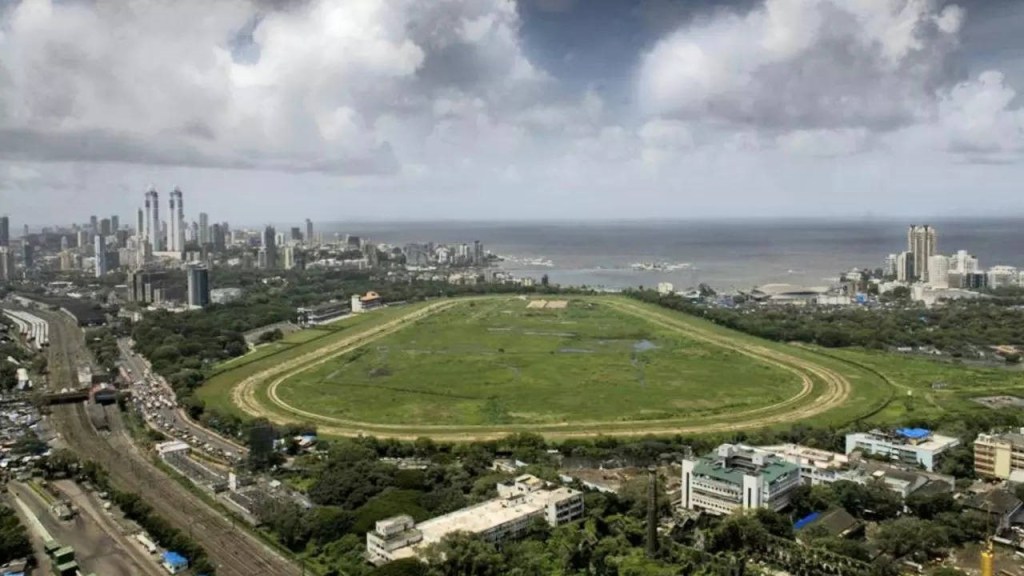
Mahalaxmi Racecourse, Mumbai: A mere open space or an eco-warrior
Mumbai-the financial capital of India, is the most populous of Indian cities with the least per capita open space as compared to its national and international counterparts. In a space deprived city like Mumbai, public open spaces are rare and highly valued for the role they play in ensuring human well-being and enriching community life.…
-
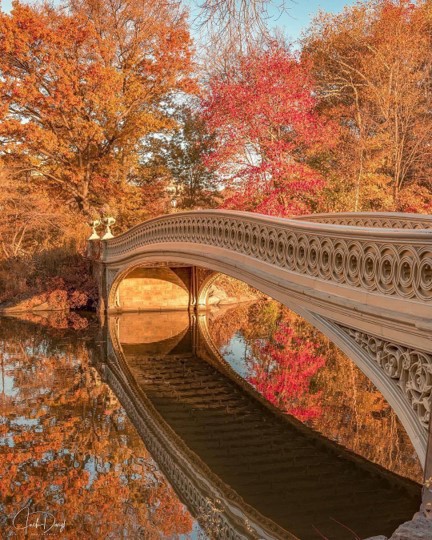
The role of nature in creating the multi-programmed urban landscape of Central Park, New York
This article discusses the use of ephemeral character of nature for creating multiplicity in spatial use for catering to different users of a city through the example of Central Park, New York designed by Fredrick Law Olmstead and Calvert Vaux.
 Terrain Tapestry