ENGINEERING IN LANDSCAPE
The term ‘landscape‘ evokes a diverse range of images, from majestic, snow-clad mountains and swiftly flowing rivers to picturesque beaches and striking rock formations. It also encompasses vast expanses of tulip fields, terraced tea plantations, the meticulously manicured French gardens, the rolling lawns of English gardens, the symmetrical char-bagh of Mughal gardens, and the tranquil rockeries of Japanese gardens.
While elements such as snow-covered peaks, rivers, and rock formations fall within the realm of natural landscapes, cultivated fields and designed gardens are categorized as built landscapes. By definition, anything constructed involves engineering—the strategic application of scientific principles to achieve specific outcomes. This raises a fundamental question: Are landscapes engineered? Given that they are intentionally designed and shaped, one may assert that landscapes, too, undergo a process of engineering.
The category, ‘Engineering in Landscape’, examines the intricacies of landscape engineering, analyzing the complex interplay between nature, human interaction, and the built environment. Through case studies and personal experiences, this series offers a comprehensive exploration of landscape architecture, emphasizing the critical role of engineering in crafting resilient, functional, and aesthetically cohesive spaces.
Subscribe to stay informed about the latest insights and gain a deeper understanding of this dynamic field.
FROM THE BLOG
-
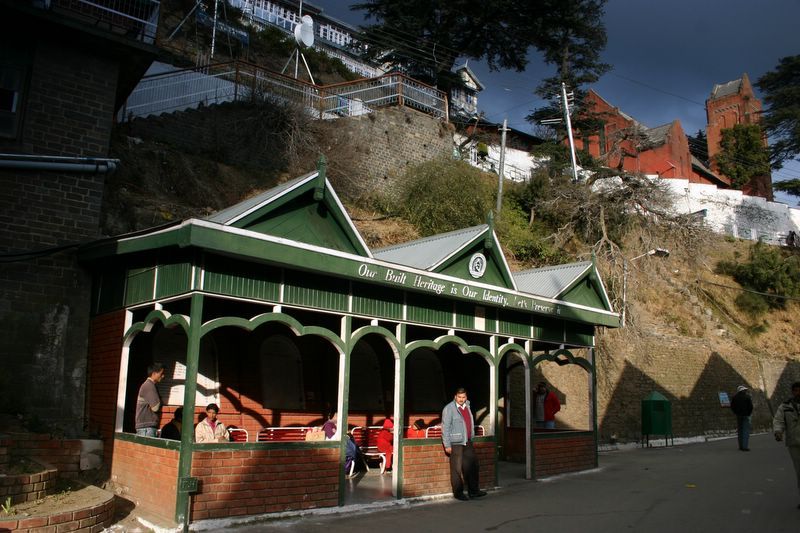
Go, observe the ‘BUS STOP’!
We often think of architecture in terms of the monumental—the museums, the skyscrapers, the urban parks that make it into magazines. But what if the truest reflection of a city could be found in its most ordinary spaces? What if understanding urban life began not with buildings, but with bus stops? This article retraces a…
-
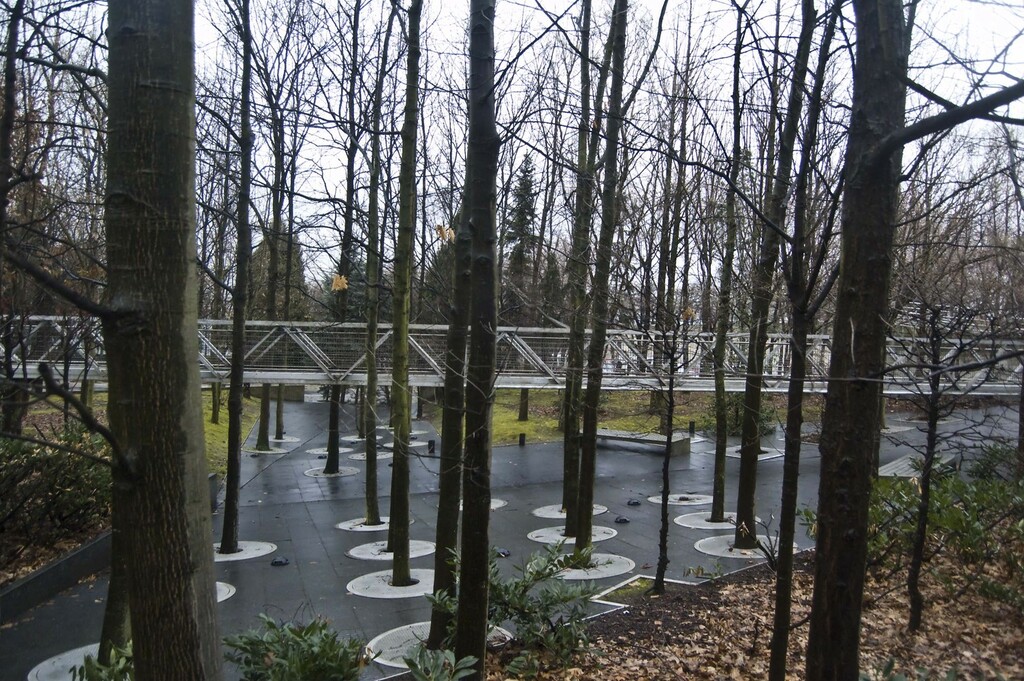
Parc de la Villette: A prototype defining 21st Century urban landscapes
Landscape design for a space is defined by the user of the space. Until the late 18th Century most often the user of Landscape spaces were royals and aristocrats. However by the early 20th Century cities began experiencing the brunt of rapid urbanization catalysed by industrialization. Rapid urbanization led to disparity in population distribution with…
-

Mughal Gardens: An Epitome of Hydraulic Engineering
The Mughal Empire came into being during the Medieval era and the ‘Bagh’ developed by them depicts their prowess in hydraulic engineering never before seen or experienced in Gardens. So profound was their hydraulic engineering both at macro-level and micro-level that the Bagh built during the Medieval Era have sustained the test of time to…
-
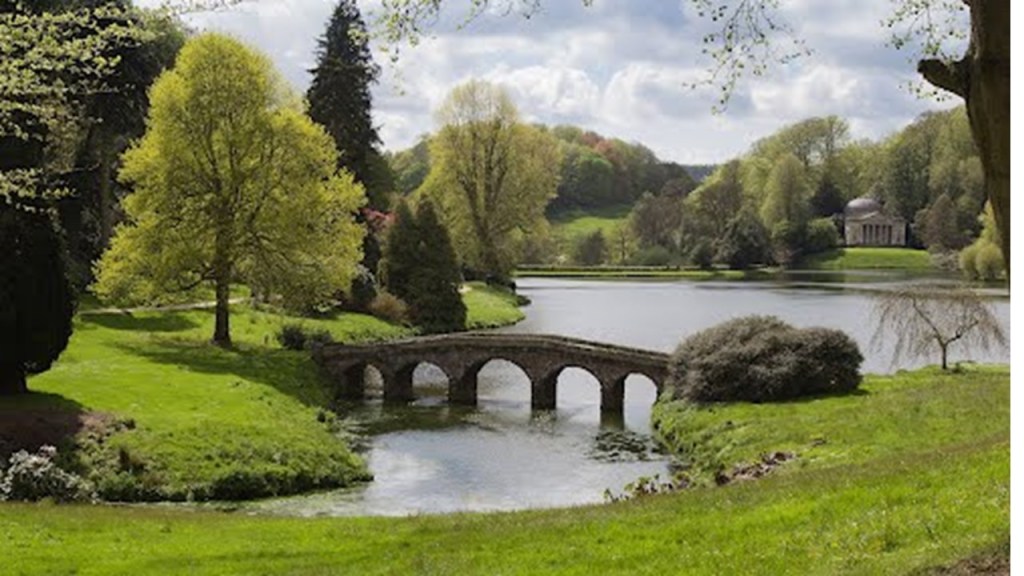
English gardens: A cinemagraph of picturesque landscapes
This article explores the evolution and experiential qualities of the English garden style, which flourished during the 18th–19th centuries, drawing inspiration from landscape paintings and Chinese garden principles. Emphasizing the concept of the picturesque, English gardens were not isolated compositions but interconnected spatial narratives designed to be experienced sequentially, much like a cinemagraph—a moving image…
-
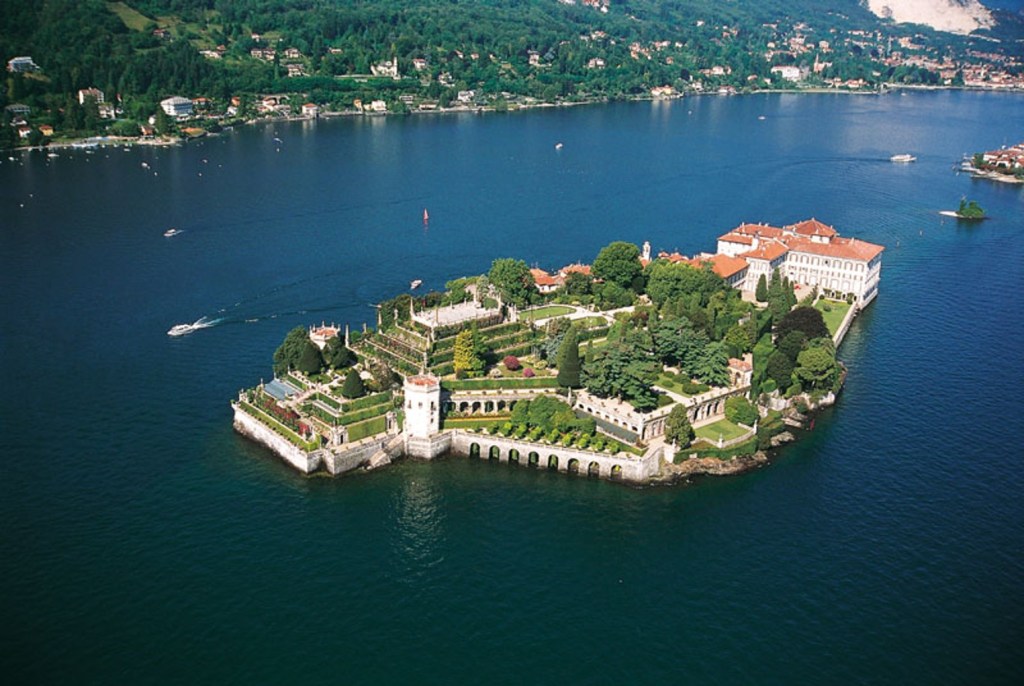
Italian Gardens: A celebration of the untamed character of nature
The Renaissance was a period in European history from the 14th to the 17th Century. It began as a cultural movement in Italy and spread throughout the European continent. The scientific progress during the Renaissance period, the curiosity to understand the natural world and derivation of inspiration from nature led to the recreation of the…
-
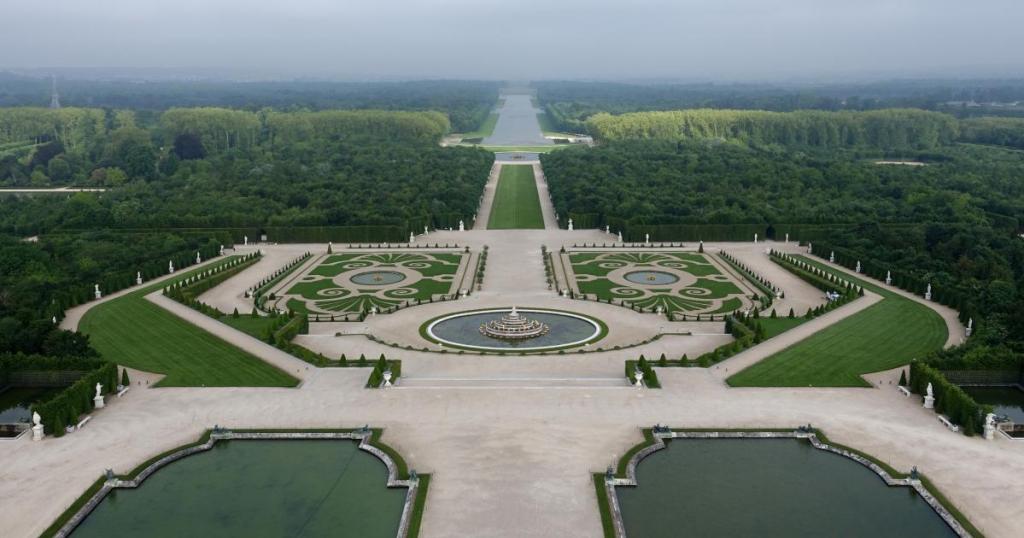
French Gardens: A visual illusion created by planting design
This article discusses the apt application of plant attributes such as height, colour, texture, etc. for creating strong perspectives and visual illusions in French Gardens to enhance the grandeur and magnificence of space.
 Terrain Tapestry