THE DISSOLUTION OF MUMBAI HARBOUR
During my time at CEPT, I developed an unusual habit—using Google Maps’ street view feature to explore public spaces, parks, and terrains. One day, I decided to explore Mumbai through the same lens. As the map loaded, the first image that appeared was a satellite view, showcasing the funnel-shaped Mumbai Harbour separating the island city from the mainland. But something felt amiss.
Where was the blue of the Harbour’s water? Why did a major portion of Mumbai Harbour appear brown instead of blue? This piqued my interest and after a little pondering and extensive research I realized that the climax of deforestation, soil erosion, urbanization, reclamation from mangroves, construction of sea walls, etc. had amplified at an alarming rate and were silting the Mumbai Harbour. This realization inspired me to write: ‘The Dissolution of Mumbai Harbour’.
This category, ‘The Dissolution of Mumbai Harbour’, is a series of articles that sheds light on the alarming issue of harbour silting and the various factors accelerating this process, using Mumbai Harbour as a case study. Through this series, I examine how unchecked urbanization, deforestation, land reclamation, and infrastructure development have disrupted the natural balance of coastal ecosystems, leading to an unprecedented accumulation of silt in the harbour. I also delve into the environmental consequences of this phenomenon ranging from declining water quality and loss of marine biodiversity to increased vulnerability to flooding and navigation challenges for vessels. By tracing the historical evolution of Mumbai’s coastline and analyzing contemporary urban interventions, this series seeks to highlight the urgent need for sustainable coastal management practices.
Ultimately, The Dissolution of Mumbai Harbour aims to spark a conversation on how port cities can grow without compromising their natural landscapes, emphasizing the delicate relationship between urban expansion and ecological preservation.
FROM THE BLOG
-
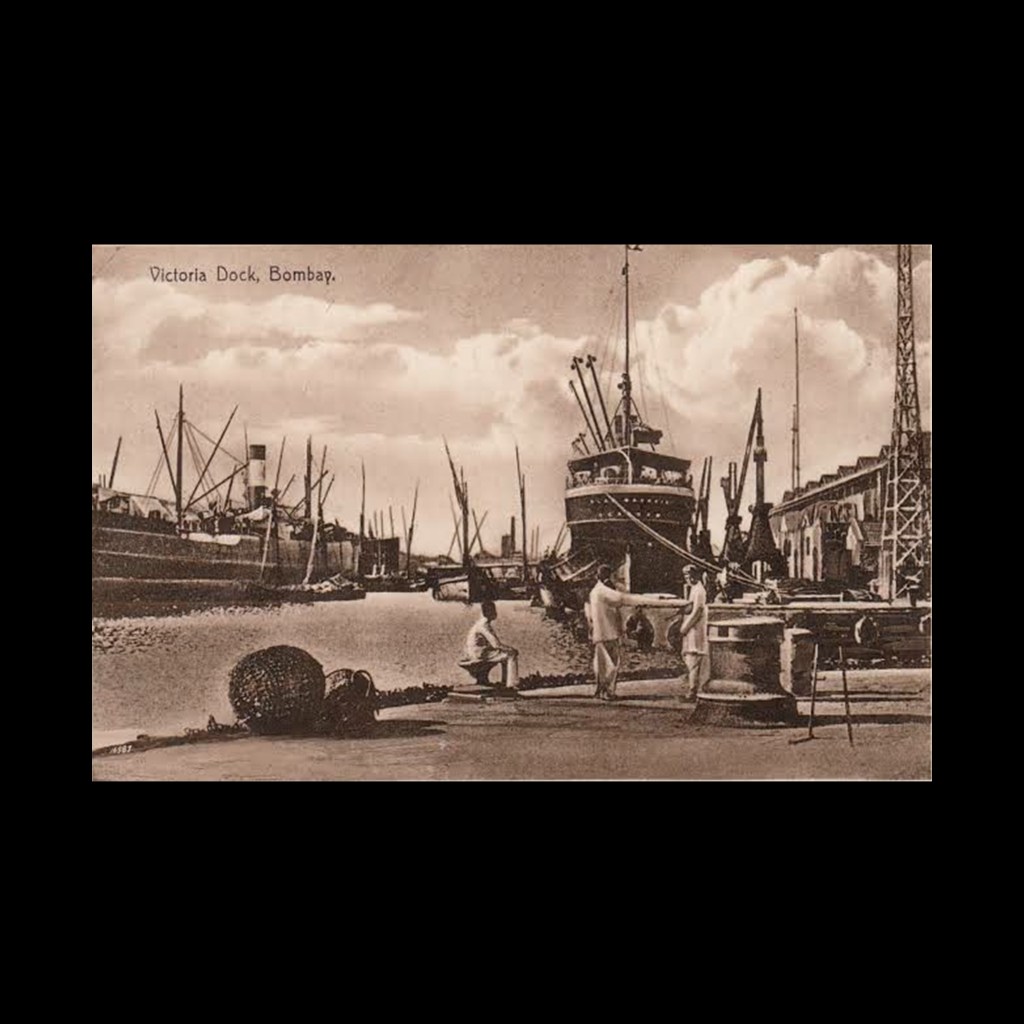
The Dissolution of Mumbai Harbour: Influence of Anthropogenic Activities c.1914 to 1947 A.D.
The expansion of Mumbai’s ports between c.1914 to 1947 was driven by technological advancements in shipping, necessitating deeper draughts to accommodate larger vessels. This first phase of port expansion saw the construction of key infrastructures, including the Hughes Dry Dock, Alexandra Dock, and Mazagaon Dock. Among them, the Alexandra Dock stood out for its modernity,…
-
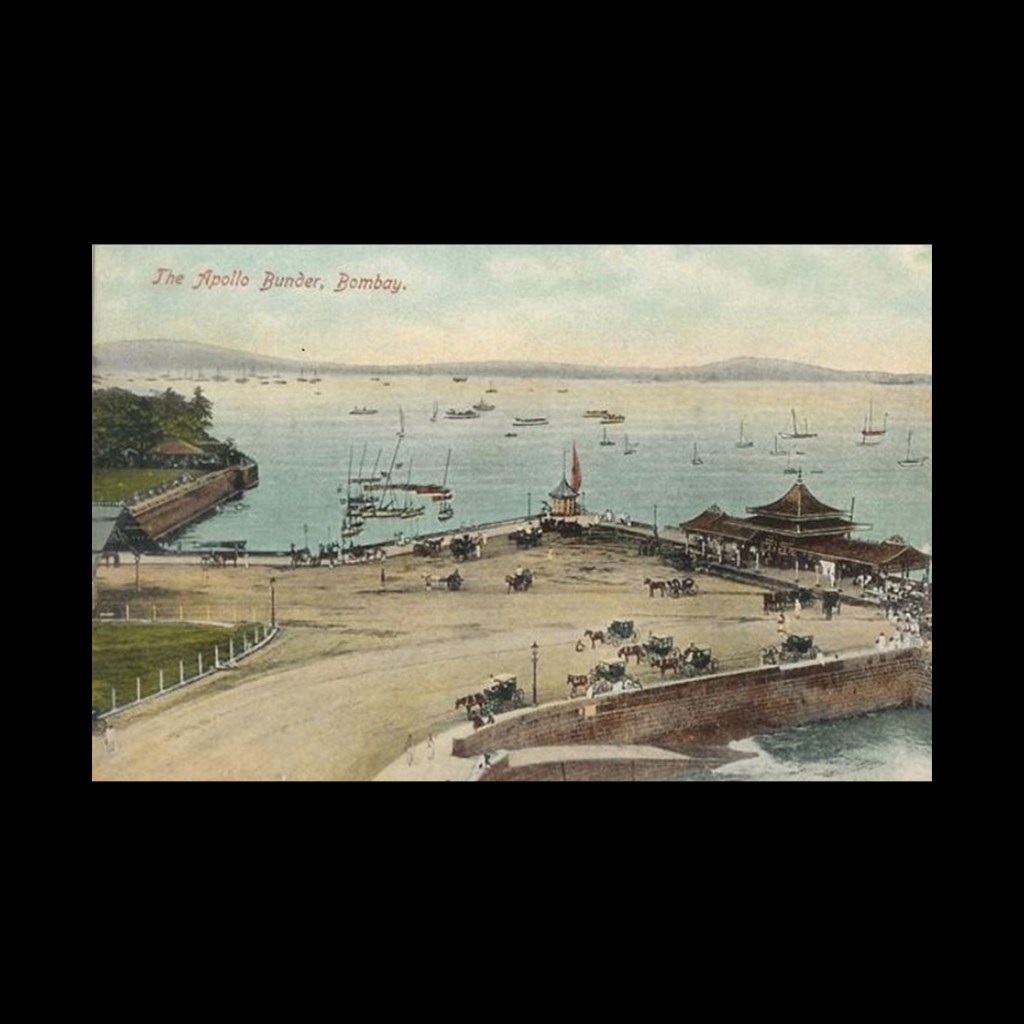
The Dissolution of Mumbai Harbour: Influence of Anthropogenic Activities c.1873 to 1914 A.D.
The period between 1873 to 1914 A.D. marks a pivotal phase in the anthropogenic transformation of Mumbai Harbour, characterized by the construction of major port infrastructure. Triggered by the opening of the Suez Canal in 1869, Mumbai’s strategic importance along international maritime routes increased significantly. This paper examines the methods and consequences of port construction…
-
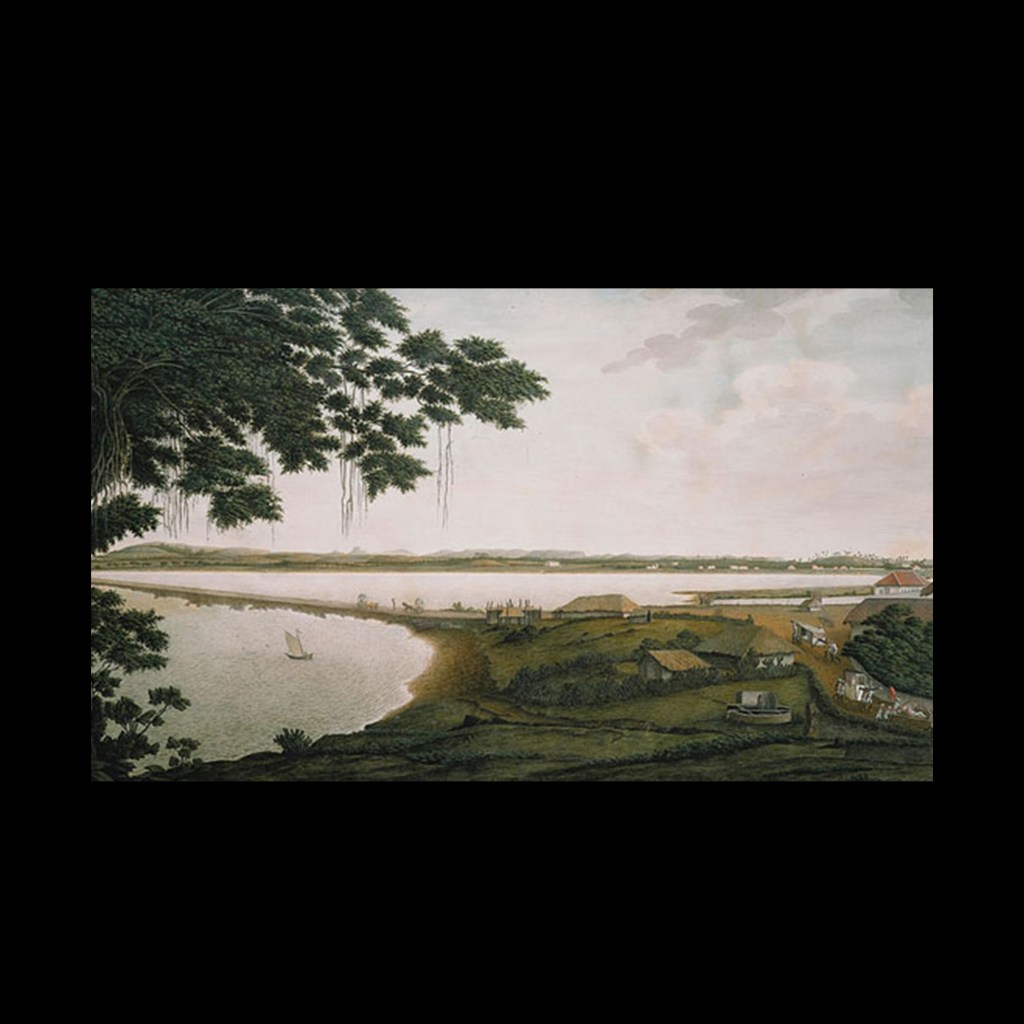
The Dissolution of Mumbai Harbour: Influence of Anthropogenic Activities c.1668 to 1873 A.D.
Around the mid-18th century, the archipelago of Mumbai—then composed of seven distinct islands—was ceded to the British. Recognizing the region’s strategic maritime importance for communication with Persia, the Malabar Coast, and the Maluku Islands, the British administration initiated a series of infrastructural interventions to consolidate the islands into a single landmass. This article examines the…
-
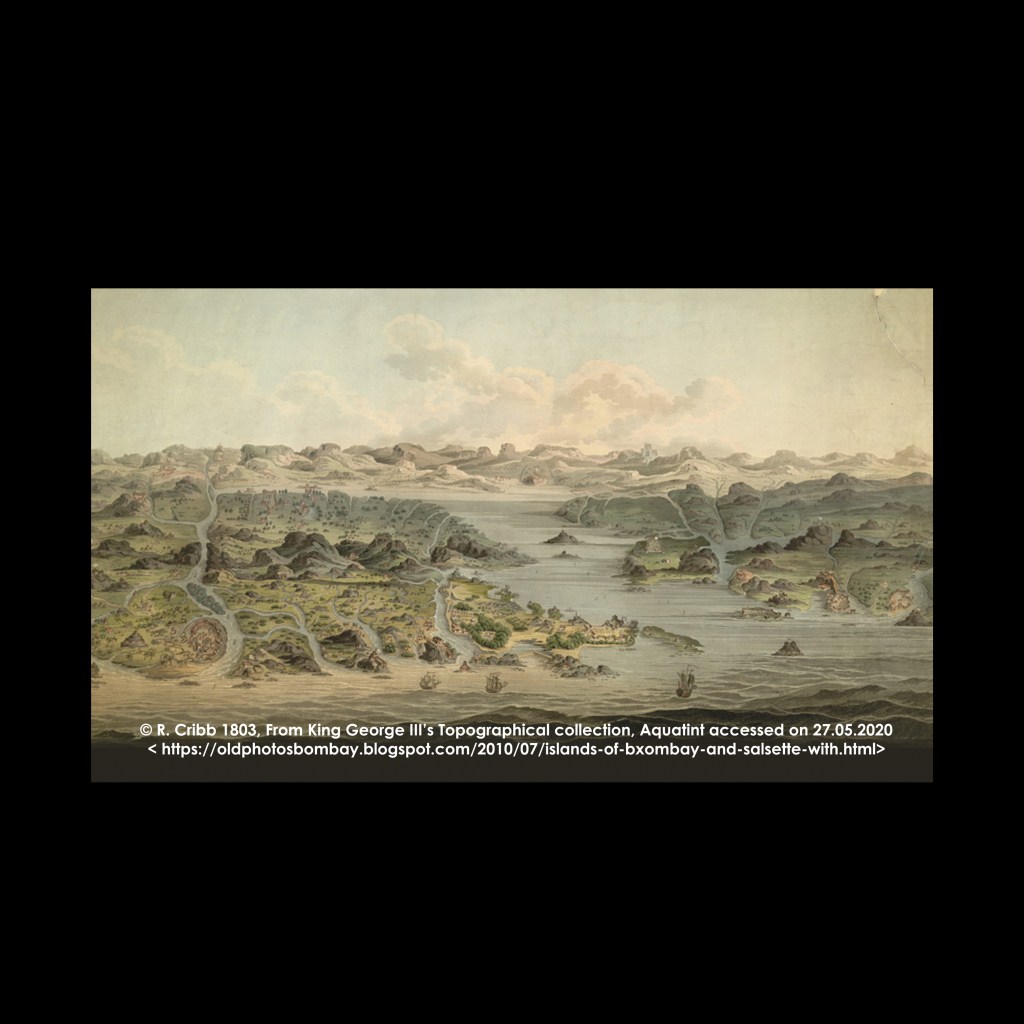
The Dissolution of Mumbai Harbour: Influence of Anthropogenic Activities c. 1650-1668 A.D.
The city of Mumbai, now a sprawling coastal metropolis, was once a fragmented archipelago of seven agrarian islands. This paper examines the earliest known instance of coastline alteration between c. 1650 and 1668 A.D., analyzing the natural and anthropogenic factors that catalyzed the development of Mumbai Harbour as a functional maritime hub. It focuses on…
-
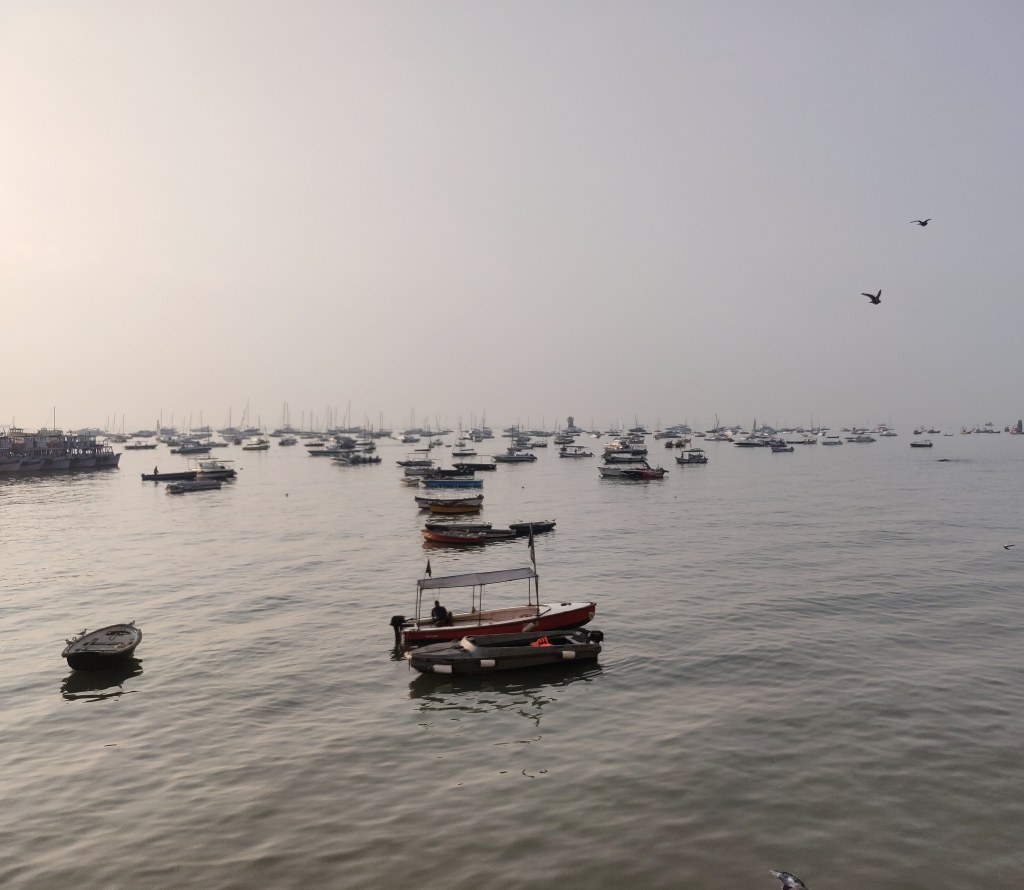
The Dissolution of Mumbai Harbour: A Conducive Setting
The Dissolution of Mumbai Harbour: A Conducive Setting sheds light on factors responsible for the initiation of Port Activities in the Mumbai Harbour by evaluation of the macro and micro factors. The macro factors include the strategic location of the Mumbai Harbour on global maritime trade routes while the micro factors include the oceanography and…
-
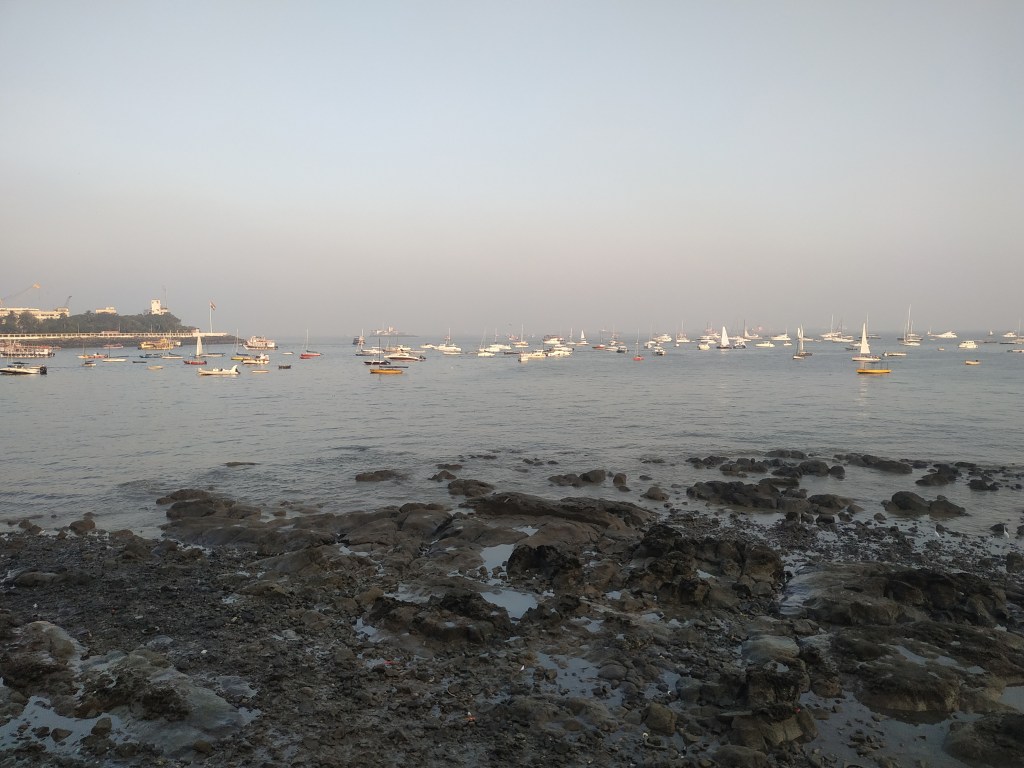
The Dissolution of Mumbai Harbour: An Introduction
‘The Dissolution of Mumbai Harbour’ is written as a series of articles that brings to light the issue of amplified silting in Harbours and the factors catalyzing the process of silting by studying the case of Mumbai Harbour. The Dissolution of Mumbai Harbour: An Introduction is the first article of this series and briefly discusses…
 Terrain Tapestry