TERRAIN TAPESTRY
‘Terrain Tapestry’ was formerly known as ‘The Architecture of Landscapes’-a blog created with the sole purpose of sharing insights into the architectural and engineering aspects of Landscapes. However, over time the scope of research and writing expanded encompassing a broader range of topics including landscape design, ecology, hydrology, geology, hydro-geology, planting, materiality, lighting, sustainability and how these different disciplines are woven together to create the built environment. Rooted in research and driven by curiosity, this platform explores into the intricate relationship between architecture and nature, revealing how spaces influence human experiences. From the artistry of planting palettes to the evolving role of urban greens, Terrain Tapestry invites you to uncover the art, science, and soul of landscape architecture.
THE LAYERS OF TERRAIN TAPESTRY
Landscape architecture is a dynamic field, shaped by creativity, ecology, and design innovation. ‘Terrain Tapestry‘ examines the multifaceted nature of landscape architecture through thoughtfully curated categories. Engineering in Landscape delves into the structural and technical aspects of landscape design, while Dissolution of Mumbai Harbour explores ecological transformations and their broader implications. Urban evolution is critically examined in Dreams on Fault lines, alongside the potential for Adaptive Re-use of Mumbai’s Under-utilised Portlands. The significance of Waterfronts, the cultural narratives behind What’s in a Name…, and the ecological considerations of Bird-friendly Landscapes provide deeper insights into the built and natural environment. Additionally, Playscapes highlights the role of design in shaping engaging and inclusive spaces, Resources serves as a knowledge repository, and Reimaginations challenges conventional perspectives to inspire new possibilities.
Each category offers a unique lens through which to explore the ever-evolving relationship between landscapes and society.
CATEGORIES
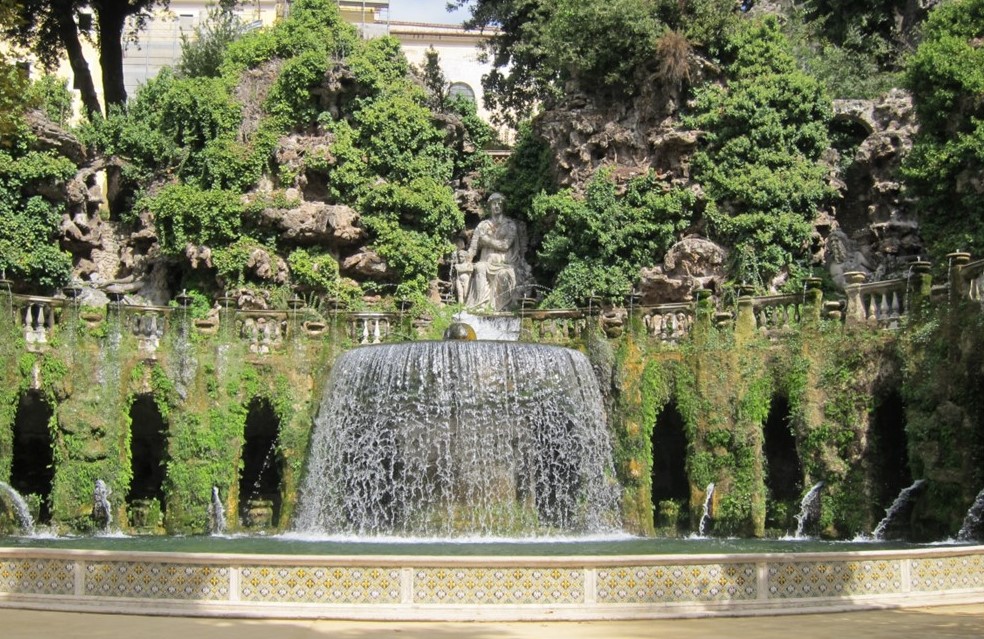
The concept of landscape encompasses both natural elements, such as mountains and rivers, and built environments, including cultivated fields and designed gardens. While natural landscapes form organically, built landscapes involve intentional design, raising the question of whether landscapes are engineered. Given that they are shaped through scientific principles, one may argue that landscapes, too, undergo engineering.
The category, ‘Engineering in Landscape’, explores this idea by examining the intersection of nature, human interaction, and the built environment. Through case studies and personal insights, it highlights the critical role of engineering in landscape architecture.
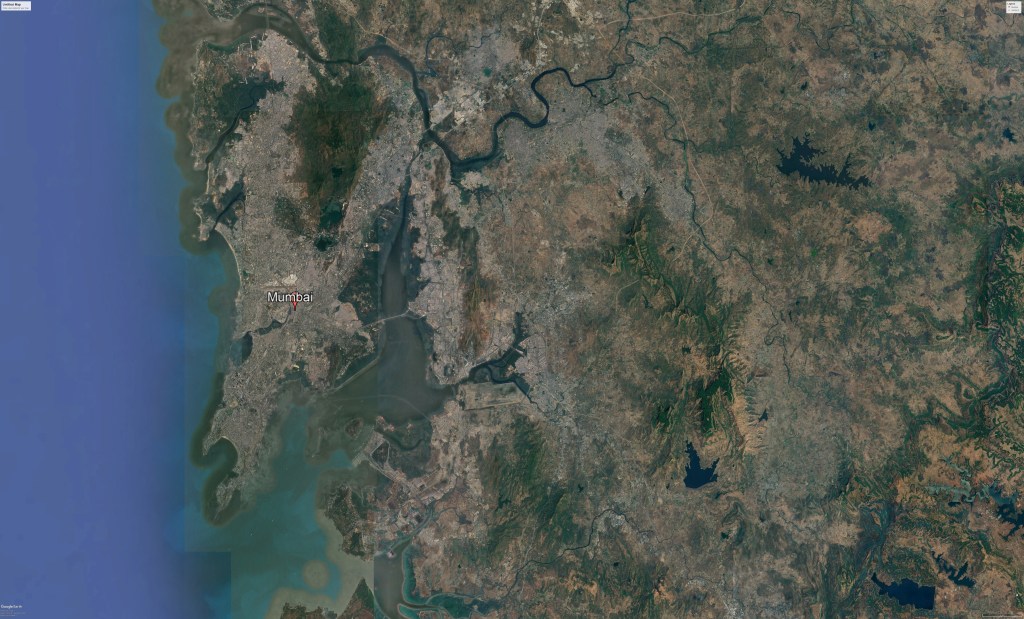
On analyzing Mumbai Harbour using Google Earth’s street view feature, the first image that appeared is the featured satellite imagery with the funnel shaped Mumbai Harbour separating the island city from the mainland. But something seemed amiss. Where was the blue of the Harbour’s water? This piqued my interest leading me to research the causes accelerating silting IN the harbour.
This realization inspired ‘The Dissolution of Mumbai Harbour’, a series of articles examining the factors behind harbour silting and its environmental consequences, such as declining water quality, loss of marine biodiversity, and increased flood risks. By analyzing Mumbai’s evolving coastline and urban interventions, the series highlights the urgent need for sustainable coastal management.
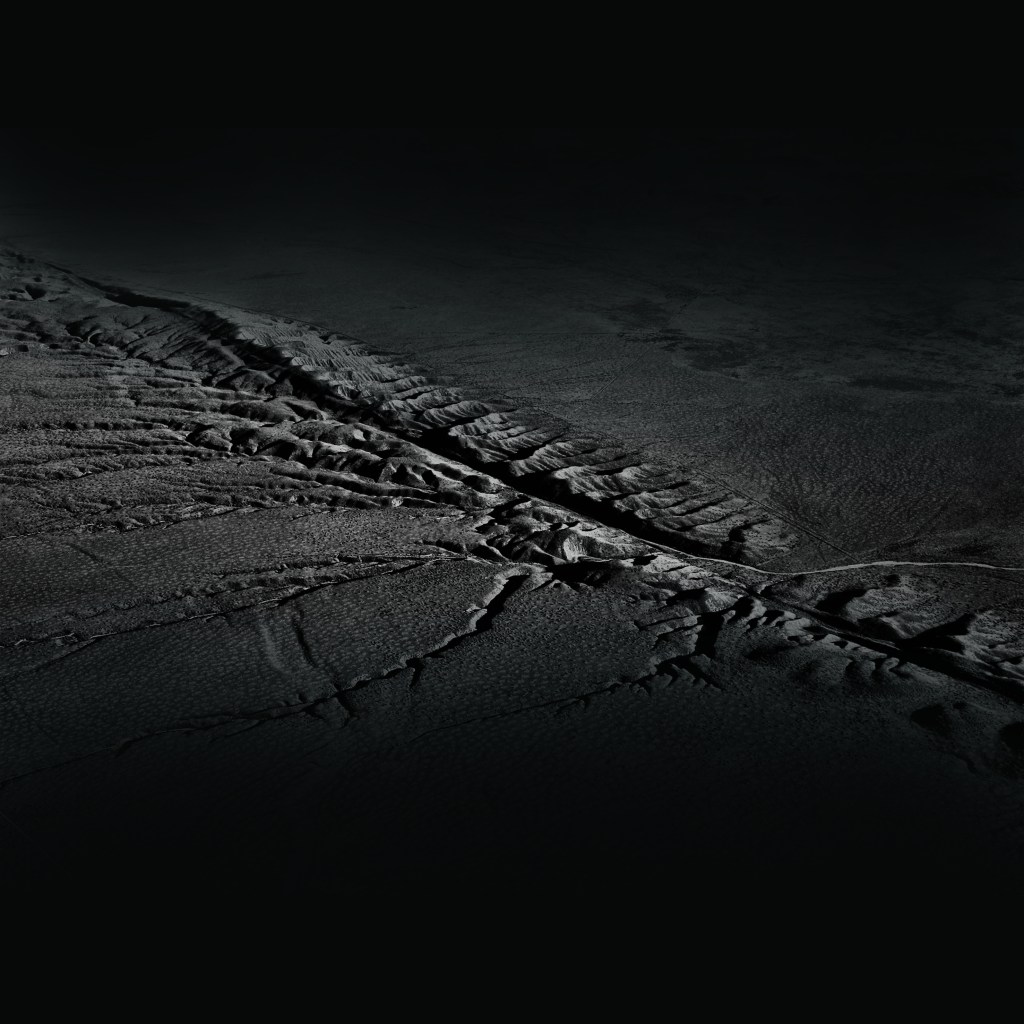
Headlines such as, “Mumbai: Six tremors felt in Palghar, two year fleeing home dies’, ‘Quakes: How prepared are we?’, ‘Light-intensity earthquake of 2.7 magnitude hits north of Mumbai; 3rd to strike Maharashtra in 24 hrs’, ‘Mumbai feels tremors from Earthquake 130km away in Dahanu’, ‘Mumbai’s eastern suburbs most vulnerable to earthquakes, finds IIT-Bombay study’, flashing across newspapers prompted me to dig deep and understand the history of seismic activities in the city, the geological conditions, the current hydro-geological scenario and other factors that could contribute to the risk of moderate to severe damage.
Beyond this in-depth analysis, this category also seeks solutions and planning strategies to mitigate the impact of seismic activity in Mumbai. It aims to develop a methodology that can be adapted for other regions, ensuring cities are better prepared for future tremors.
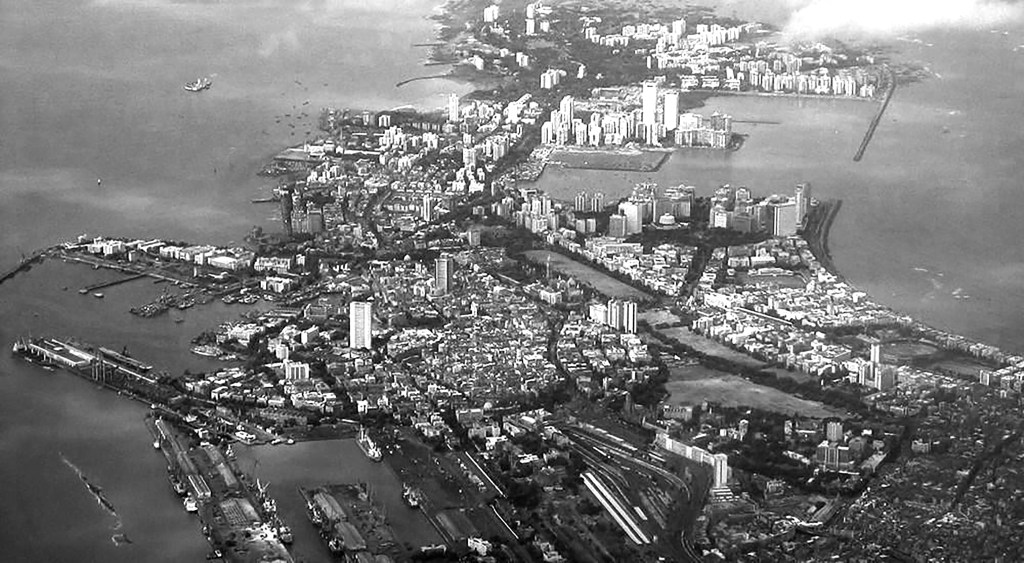
This category discusses the evolving association between the port and the city beginning from the initiation of Port activities and their role in elevating the status of Mumbai from a humble archipelago of agrarian islands to a global metropolis and culminating into a disassociation wherein the process of urban degeneration begins, leading to the under-utilization and ultimately the abandonment of vast stretches of port areas thereby requiring regeneration by redevelopment..
Taking cues from ‘Design with Nature’, this section discerns the genius of Mumbai’s portlands and proposes a framework for their adaptive reuse such that it can adapt to its unique environmental setting, adapt to the needs of the larger region, adapt to the cultural and landscape identity of the port while adapting to the needs of the city without losing their historical and ecological essence.
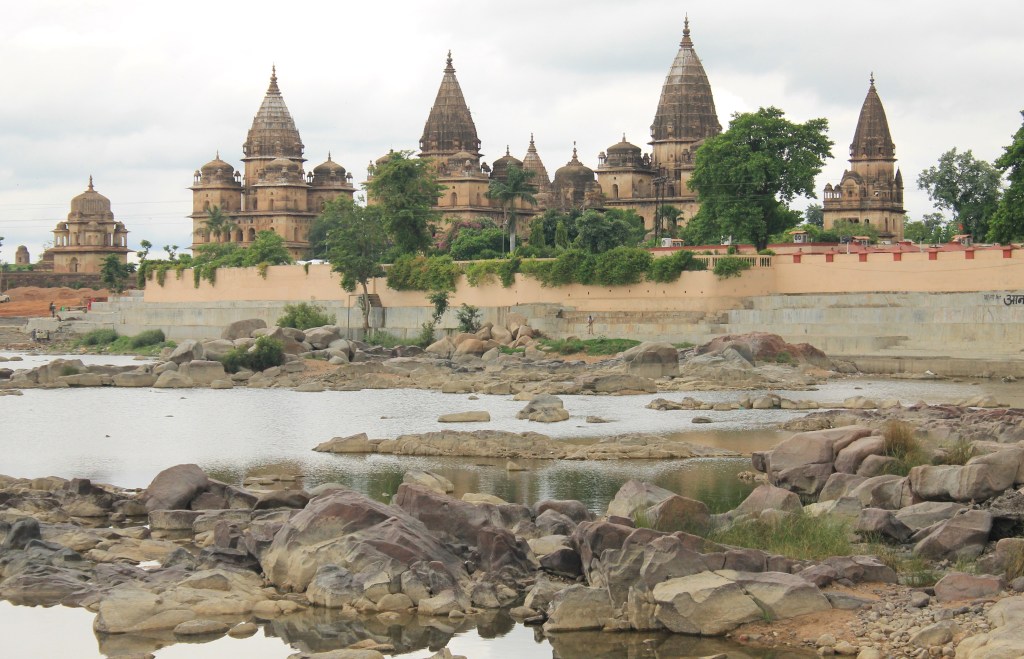
Waterfronts, where land meets water, exist in various forms, including estuarine, coastal, riverfront, and lakefront areas. Historically, waterfronts have been the cradle of human civilization, fostering agriculture and trade along major rivers like the Euphrates, Nile, and Indus. Over time, maritime commerce led to the rise of port cities, shifting urban centers from riverbanks to seafronts.
However, this development has often come at the cost of environmental degradation. While many waterfronts have suffered, some cities have embraced sustainable approaches, integrating green infrastructure and ecological restoration. This section highlights such successful cases of responsible waterfront development, along with untouched natural waterfronts that serve as inspiration for conservation-focused design and engineering.
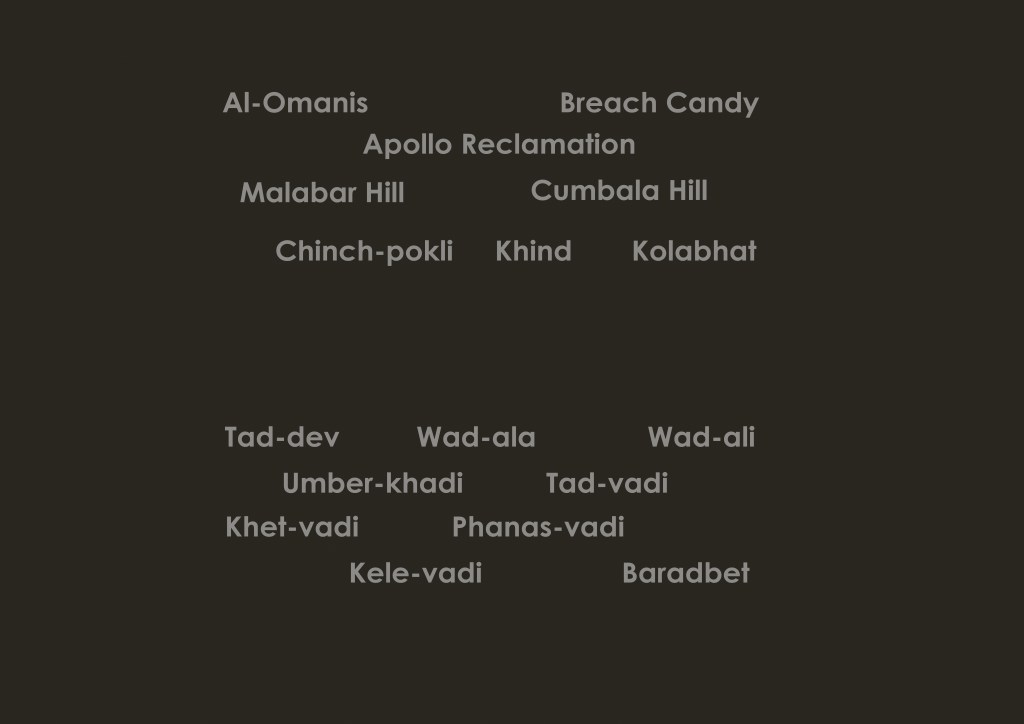
This category is inspired from Tim Waterman’s article – Flows off the Tongue: Charting Climate Change Futures in Ancient Place Names that brings to light the fact that indigenous place names can provide a guide to landscape qualities and human interaction with landscapes where these names have not been erased by the conquest of colonialism.
This series attempts to decipher the landscape identity through place names in the island city of Mumbai. The information coded in these place names that came into existence during the earliest known period of inhabitation can be particularly useful as it provides clues to how the city may respond to global warming in the near future as the period between 700 – 1000 A.D. is a historic parallel to our present-day situation with extreme weather and precipitation thereby making indigenous names meaningfully descriptive once again.
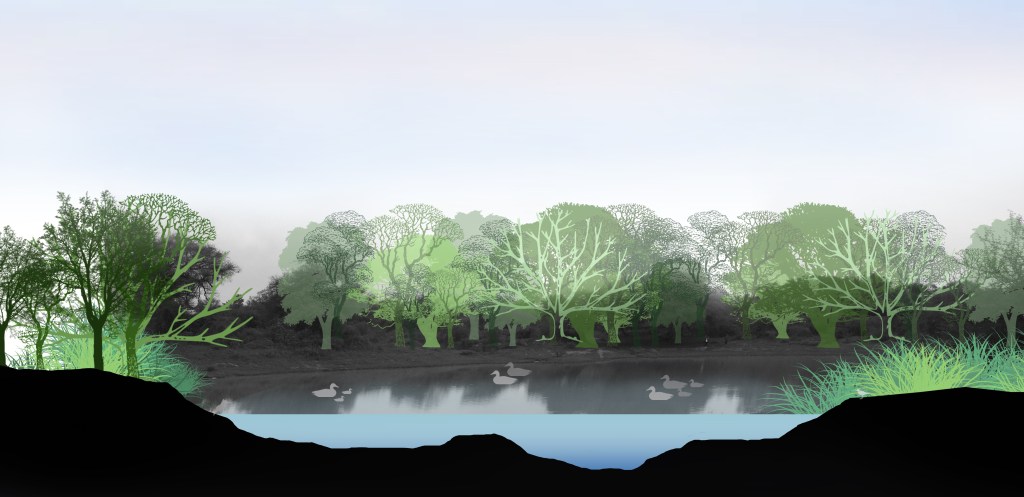
This series discusses the threats causing rapid decline of bird species.
It further probes into the methodologies and practise of urbanization: Is urbanization only possible by sacrificing natural habitats? Is it possible to create bird friendly landscapes? Are there cities that have promoted urban development in synchronization with habitat development? Can the lessons learnt from the case of these bird-friendly cities be applied in the Indian context? How can we, the human society design spaces that can be sensitive to the avifauna and ensure their better accommodation?
This series attempts to find an answer to the above mentioned questions through a detailed understanding of various bird habitats and literature study of bird friendly cities.
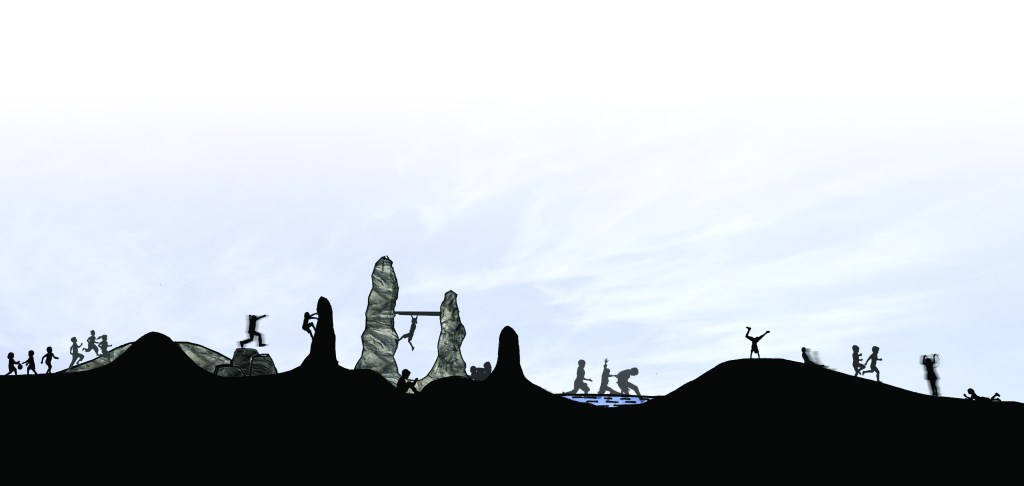
This category explores the concept of Free Play from a landscape architect’s perspective, focusing on its role in child development. Free Play is unstructured, voluntary, and child-initiated, allowing children to develop their imaginations while exploring and experiencing the world around them. It is driven by children’s natural curiosity, love of discovery, and enthusiasm.
With the shift in the designer’s perception of environments designed for children’s play from installing play-equipment to designing playscapes that inculcate the idea of free play and allow children to interpret, define and re-interpret spaces, there is a need to define such standards that may be used to design environments of free play. This section culminates with defining standards for designing playscapes based on neuroscience studies, physical development of children and their behaviour across different ages.

The urge to create this category is a direct outcome of my experience as a visiting faculty for Allied Design Studio-Landscape at Sir J.J. College of Architecture, Mumbai. As part of the curriculum, the students were once taken for a field Study of Plants during which a curious mind enquired about references to better understand the realm of Landscape Architecture. The enquiry led me to realise that while there is an abundance of valuable resources in the field of Landscape Architecture easily accessible during post graduation, a student in their graduation years does not even have the knowledge of these resources. The category ‘Resources,’ is a direct outcome of this realization. In this section, I will be sharing my learnings and experiences derived from exploring diverse resources such as books, podcasts, series, courses, magazines, journals, etc., that provide valuable insight and enhance knowledge in the field of Landscape Architecture.
LATEST FROM THE BLOG
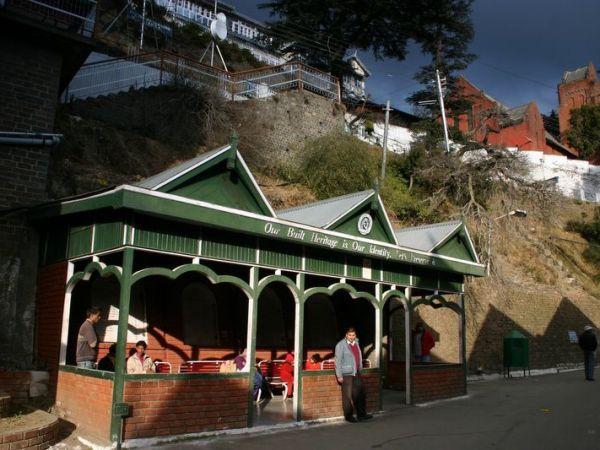
Go, observe the ‘BUS STOP’!
We often think of architecture in terms of the monumental—the museums, the skyscrapers, the urban parks that make it into magazines. But what if the truest reflection of a city could be found in its most ordinary spaces? What if understanding urban life began not with buildings, but with bus stops?
This article retraces a…

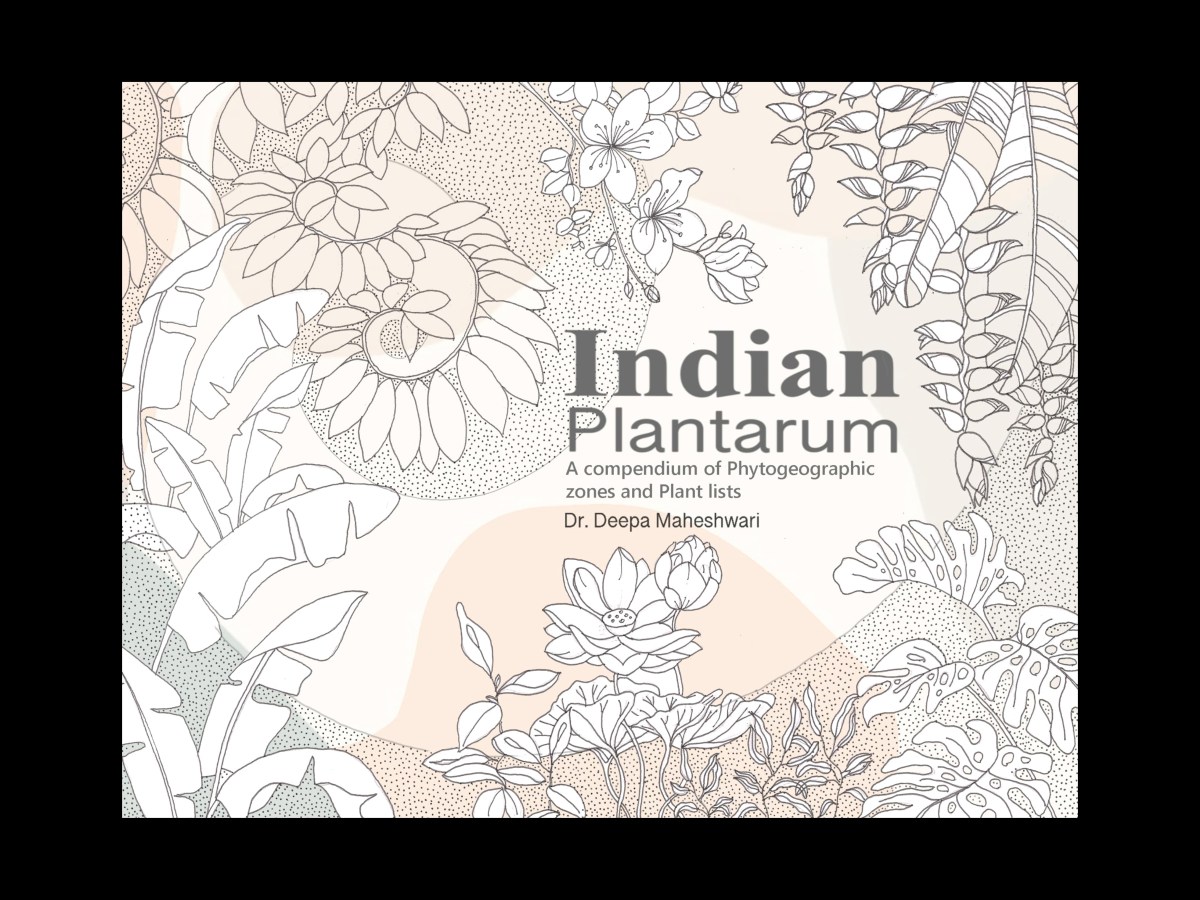
Indian Plantarum: A Guide to India’s Phytogeographic Zones and Plant Species
Indian Plantarum: A Compendium of Phytogeographic Zones and Plant Lists is a pioneering contribution to Indian ecological literature. It offers both depth and utility, making it an essential reference for anyone invested in understanding, preserving, or planning with India’s rich and varied flora. As a foundational volume, it sets the stage for future work in…
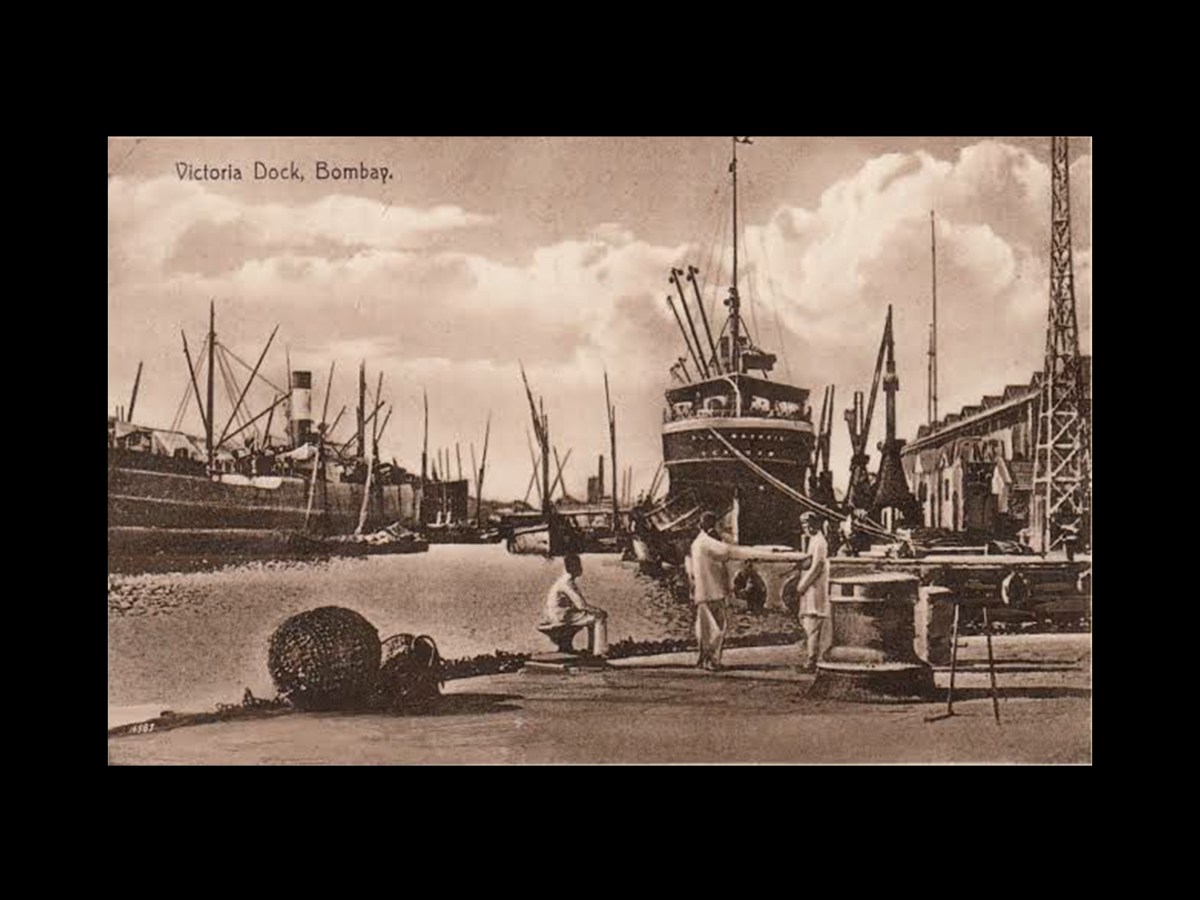
The Dissolution of Mumbai Harbour: Influence of Anthropogenic Activities c.1914 to 1947 A.D.
The expansion of Mumbai’s ports between c.1914 to 1947 was driven by technological advancements in shipping, necessitating deeper draughts to accommodate larger vessels. This first phase of port expansion saw the construction of key infrastructures, including the Hughes Dry Dock, Alexandra Dock, and Mazagaon Dock. Among them, the Alexandra Dock stood out for its modernity,…
 Terrain Tapestry