WATERFRONTS
Waterfronts are areas where land meets water and include different types such as:
- Estuarine Waterfronts: Areas where freshwater meets saline water
- Coastal Waterfronts: Areas adjoining an ocean or a sea
- Riverfronts: Areas adjoining a river or a stream
- Lakefronts: Areas adjoining lakes and reservoirs
Throughout history, waterfronts have been the cradle of human civilization. From the fertile Mesopotamian crescent, nourished by the Euphrates and Tigris rivers, to the Egyptian civilization flourishing along the Nile, and the Harappan settlements on the banks of the Indus, these regions provided rich floodplains ideal for agriculture-the foundation of early human societies.
As civilizations advanced, riverfronts gained prominence for trade and navigation. With the expansion of maritime commerce, port cities emerged, shifting the centers of civilization from riverbanks to seafronts. This transformation gave rise to thriving global metropolises such as Mumbai, Barcelona, Rotterdam, and New York.
However, this shift from riverfronts to seafronts has often come at a cost, leading to the over-exploitation and degradation of natural waterfronts. Unchecked urbanization, industrialization, and commercial expansion have resulted in pollution, habitat destruction, and the loss of biodiversity in many waterfront regions. While these challenges persist, there are also examples of cities that have approached waterfront development with sensitivity and sustainability in mind.
This section highlights such exemplary cases of well-planned and environmentally responsible waterfront developments. These projects demonstrate how urban spaces can coexist harmoniously with nature, integrating green infrastructure, public spaces, and ecological restoration efforts. By examining these success stories, urban planners, architects, and policymakers can gain valuable insights into sustainable practices that balance economic growth with environmental stewardship.
Additionally, this section showcases pristine, untouched waterfronts—natural landscapes that remain largely unaltered by human intervention. These locations serve as powerful reminders of the beauty and ecological significance of unspoiled waterfronts. They offer inspiration for design and engineering solutions that work with nature rather than against it, emphasizing the importance of conservation and responsible development for future generations.
FROM THE BLOG
-
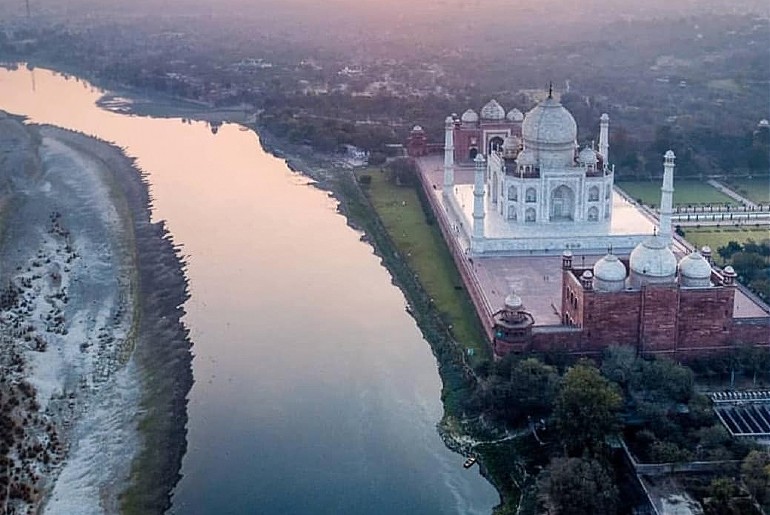
River Sensitive Planning: An anecdote from Mughal India
The unpredictable monsoon literally wrecks havoc in the country without being biased to any region, state or climatic zones. In addition to the unpredictable rainfall, the magnitude of hardships encountered by the citizens residing in coastal areas, flood plains and close proximity to rivers multiply due to the river reaching danger mark on account of…
 Terrain Tapestry